

The Italian Method
Education Systems

Hello Everyone!

This week, we’re diving into the fascinating history of the oldest ballet method in the world… the Italian Method!
The Italian Method holds the distinction of being the first ballet method ever developed, emerging from the opulent court pageantry of the early Renaissance period. In its infancy, ballet was a skill reserved for the elite, more akin to folk dance than the refined art form we recognize today. Back then, there were no tutus or pointe shoes; instead, dancers performed in lavish, heavy gowns and dresses, adding to the grandeur of courtly events. These performances often took place during visits from ambassadors, aristocrats, or grand occasions like royal weddings.

The Italian Method’s journey beyond Italy began with the influential Catherine de Medici, a noblewoman of great importance. Her marriage to King Henry II of France in the mid-16th century brought ballet to French soil, catalyzing its spread across Europe and eventually the entire world. This cultural exchange not only enriched ballet in other nations but also spurred its evolution within Italy, leading to the establishment of multiple ballet schools. These schools opened their doors to a broader audience, transforming ballet from an exclusive art of the elite to a beloved practice accessible to many.
As ballet evolved, so did the Italian Method, developing into a distinct style characterized by its emphasis on speed, agility, and intricate footwork. The Italian school is known for producing dancers with exceptional strength, particularly in their legs and feet, which are crucial for executing the quick, sharp movements that define this style. The technique emphasizes clean, precise execution of steps, often demanding high levels of athleticism from its dancers. This focus on technical mastery has made the Italian Method a foundational influence in the development of ballet as a whole.
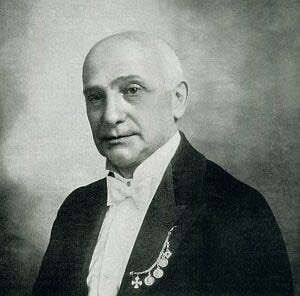
Throughout history, many renowned dancers have been trained in the Italian Method, contributing to its enduring legacy. Names like Enrico Cecchetti, who was not only a brilliant dancer but also a master teacher, are synonymous with the method. Cecchetti’s influence, in particular, spread beyond Italy, and his training principles became a cornerstone for ballet instruction worldwide, giving rise to the Cecchetti Method, which remains an integral part of ballet training today.
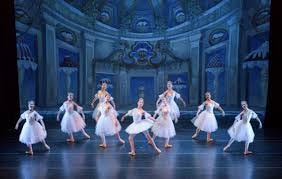
The preservation of the Italian Method is seen in the ongoing dedication of ballet schools and institutions that continue to teach and uphold its techniques. While the method has evolved over the centuries, its core principles of strength, precision, and elegance remain intact. Its influence is evident in the global ballet community, where the Italian Method’s techniques are still taught and revered, ensuring that this rich tradition continues to inspire future generations of dancers.
The Italian Method is a true testament to the lasting impact of cultural traditions on the arts, proving that even the oldest methods can remain relevant and influential in the ever-evolving world of ballet.
What method would you like us to talk about next? Write to us in the comments section!
This article was originally published on 19/8/2024 on BPI